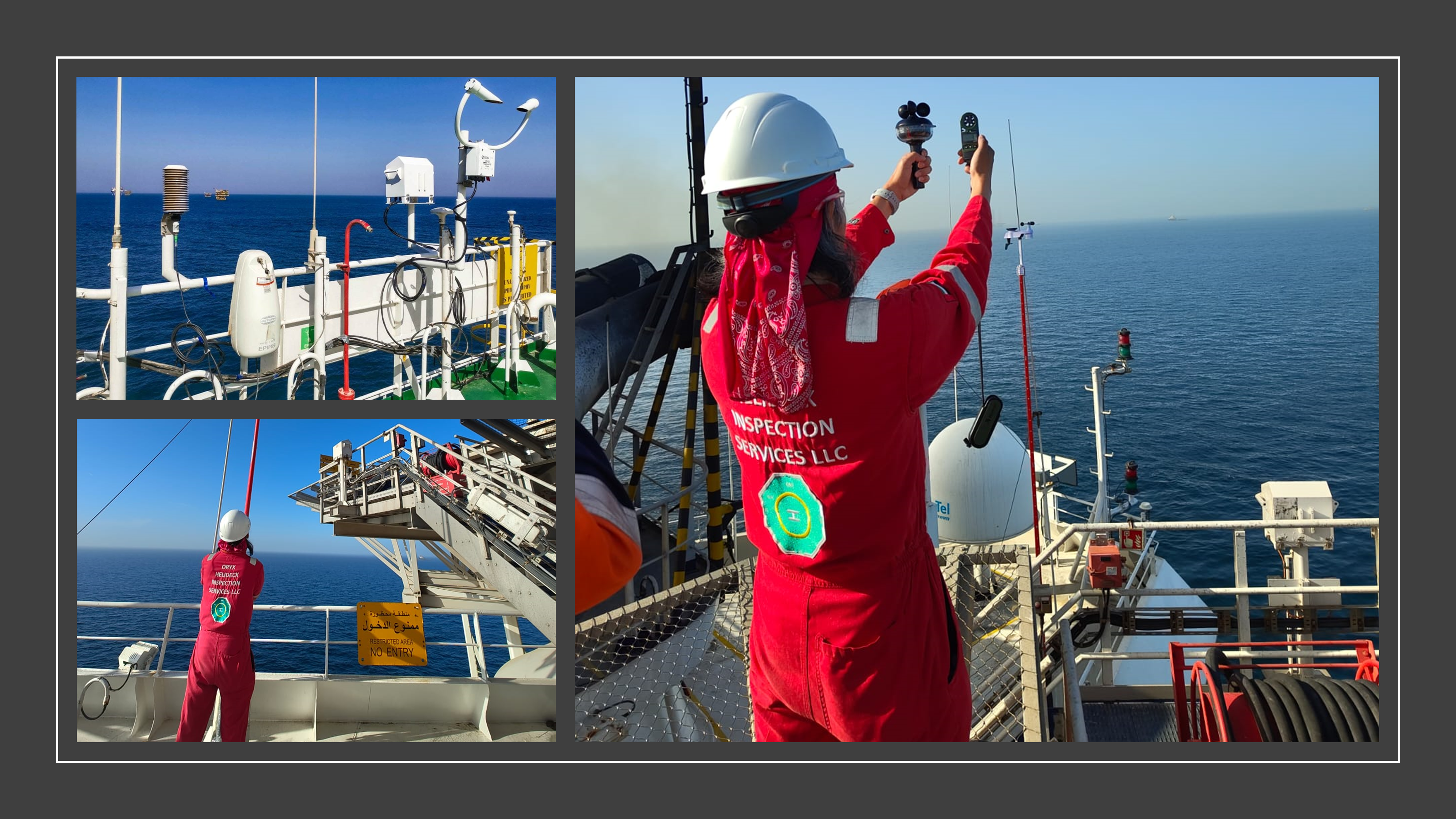
Accurate and reliable meteorological data is essential for safe aviation operations, including at aerodromes, heliports, offshore helidecks, and aviation support facilities. Oryx Aviation Services L.L.C-S.P.C provides professional Calibration and Verification of Aviation Weather Equipment, ensuring that all instruments meet ICAO Annex 3, CAP 437, UAE GCAA, and relevant Civil Aviation Authority (CAA) regulations.
Weather data is a critical input for flight planning, operational decision-making, and regulatory compliance. Deviations or measurement drift in weather sensors can compromise safety, impact operational efficiency, and create regulatory risks. ORYX’s calibration services ensure aviation operators, heliport authorities, and service providers maintain accurate, traceable, and consistently reliable meteorological measurements under all conditions.
Our team of experienced aviation specialists conducts calibrations using traceable reference standards, industry-approved procedures, and manufacturer recommendations. Each calibration is comprehensively documented, providing audit-ready records accepted by regulatory authorities and clients. This ensures transparency, compliance, and confidence in all meteorological measurements critical to aviation safety.
The scope of our calibration services includes wind speed and direction sensors (anemometers and vanes), air temperature sensors, relative humidity sensors, barometric pressure instruments (QNH/QFE), visibility sensors, cloud height sensors and ceilometers, rain gauges, precipitation sensors, and integrated Automatic Weather Observation Systems (AWOS). Our services support both routine operational checks and compliance audits, ensuring that weather equipment delivers accurate, reliable, and actionable data at all times.
By combining technical expertise, aviation-grade procedures, and regulatory compliance, ORYX Aviation Services ensures that aviation weather equipment operates reliably and accurately, directly supporting flight safety, operational efficiency, and adherence to international and local aviation standards.